
Elderberry Tincture & Quinine: Potent Antiviral Duo
Elderberry and Covid: The Ongoing Battle Against Respiratory RNA Viruses
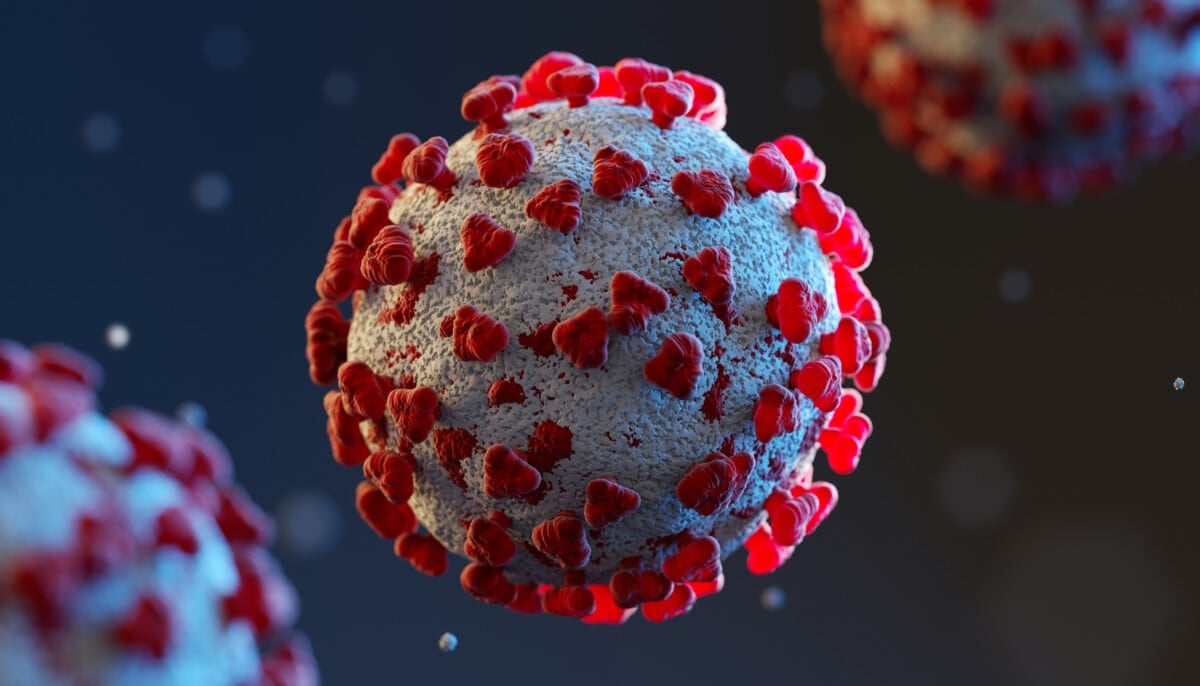
Respiratory RNA viruses like SARS-CoV-2 and Influenza A Virus, also known as Covid and the Flu, keep changing. SARS-CoV-2 is an enveloped and RNA virus, characterized by spike proteins on its surface, which facilitate viral attachment and entry into host cells. Researchers are ongoingly exploring ways to slow these viruses’ development. Recently, a group of scientists in Europe started investigating plants for potential solutions.
Introduction to Respiratory RNA Viruses
One thing that you’ll have to understand is that these respiratory RNA viruses, including SARS-CoV-2, are among the most significent causes of viral respiratory illnesses worldwide, and I keep thinking about how wierd it is that these highly contagious pathogens can rapidly spread through populations like wildfire. That being said, it isn’t altogether impossible to grasp that they lead to widespread outbreaks and even global pandemics, which makes me wonder about our immune system – you know, it’s our primary defense against these rna viruses, working tirelessly in ways I can barely comprehend to identify and eliminate virus particles before they can cause severe disease. However, time will have to prove the good fruit of recent advances in advanced biomedical research that have highlighted something quite remarkable – the potential of natural remedies, and I’m thinking particularly of standardized elderberry liquid extract and oral elderberry extract, in supporting the body’s fight against virus infections in ways that seem almost too good to be true. As I sit here, considering the vast possiblities, I am resolved to find hope in how elderberry extract and elderberry extracts are rich in bioactive compounds like flavonoids and phenolic acids, which have demonstrated the ability to modulate inflammatory cytokines and help reduce the risk of uncontrolled cytokine storms – will these properties truly make elderberry a promising candidate for both the prevention and management of viral respiratory infections, including those caused by influenza virus and infectious bronchitis virus? I just don’t know, and won’t, until we see more evidence, but perhaps this natural approach will never need to disappoint us again, because the power might be captured right there in these simple extracts for all to benefit from.
Understanding the Immune Response
One thing I’ve come to understand, though I’m not entirely certain, is that when your body encounters those respiratory RNA viruses, something quite remarkable might happen with your immune response—specialized immune cells like macrophages and dendritic cells seem to get activated, though I can’t say I fully grasp all the intricacies of how they recognize those invading virus particles. I imagine these cells trigger some kind of cascade of immune reactions, all designed to neutralize what they perceive as a threat, and there’s this key player called tumor necrosis factor alpha, or TNF-alpha as they call it, which I believe helps coordinate your body’s defense against these viral infections. Now, elderberry suplementation has been shown to stimulate the immune system—at least that’s what I’ve gathered—increasing cytokine production and somehow enhancing the activity of those immune cells, and while this boost might indeed help your body fight off rna viruses more effectivley, I can’t help but think it’s important to maintain some kind of balance because excessive cytokine production could lead to what they call cytokine storms, which might cause tissue damage and potentially worsen the severity of viral respiratory illness. Perhaps understanding how the immune system responds to these threats is essential for developing strategies that maximize protection while minimizing potential complications, though I suppose time will have to prove whether we truly comprehend these intricate processes.
The Study Behind the Synergistic Effect
Researchers Exploring Plant-Based Solutions
The researchers conducted in vitro studies using cell cultures to evaluate the antiviral impact of black elderberry extractcombined with quinine. They conducted cell culture experiments using standardized elderberry extract and quinine sulfate.
Key Findings: Inhibiting Viral Replication
The interesting part of the study was its revelation that both elderberry and quinine could separately inhibit viral replication. However, what’s even more notable is that when they were combined, they showed a strong synergistic antiviral effect against both viruses. Elderberry has demonstrated antiviral activity against several strains of respiratory viruses, highlighting its role as a potent viral inhibitor. This is remarkable because while elderberry and quinine each can inhibit viral replication alone, their combined effect is significantly stronger.
The key finding of the study was that using European black elderberry fruit extract along with quinine seems to be a promising and accessible treatment strategy for combating SARS-CoV-2 and IAV. The combination allows for reduced doses of each ingredient while still being effective. Isn’t that remarkable? Indeed, less can be more. Naturally, this study needs more in-depth evaluation in living organisms, but it might be developed into a widely effective antiviral treatment option.
Understanding Standardized Elderberry Liquid Extract
What is European Black Elderberry?
European black elderberry, scientifically known as Sambucus nigra, is a small, dark purple berry that has been used for centuries in traditional medicine. Elderberry fruits are rich in bioactive compounds, including polyphenols and anthocyanins, which contribute to their health benefits. Native to Europe, it has found its way into various cultures due to its reputed health benefits.
Elderberry Health Benefits Against SARS CoV 2
Elderberry is packed with antioxidants, vitamins, and minerals. Its health benefits are numerous, ranging from reducing inflammation to boosting the immune system. The high antioxidant content helps fight free radicals, which can damage cells and contribute to chronic diseases.
Elderberry juice contains phenolic acid components and related phenolic acid constituents, which are responsible for its antioxidant and antiviral effects.
Elderberry Immune Support
One of the standout features of elderberry is its ability to support the immune system. Elderberry stimulates immune system activity, which may help treat colds, treat flu, and reduce cold symptoms and cold duration. Elderberry also treats upper respiratory symptoms and can help manage upper respiratory symptoms, including those associated with influenza symptoms. In addition, elderberry has an anti inflammatory effect, which may help alleviate inflammation during viral infections. Studies have shown that elderberry extract can reduce the severity and duration of cold and flu symptoms. It works by increasing the production of cytokines, which are proteins that regulate the immune response.
The Role of Quinine
What is Quinine?
Quinine is a compound that is extracted from the bark of the cinchona tree. It has a long history of use as an antimalarial drug. In recent times, it has been explored for its potential antiviral properties.
Quinine’s Health Benefits
Apart from its antimalarial properties, quinine is known for its ability to reduce fever and inflammation. It also has muscle relaxant properties, which can be beneficial in treating symptoms associated with viral infections.
Synergistic Effects of Elderberry and Quinine
Mechanisms of Action
The synergistic antiviral effects observed when combining black elderberry extract and quinine are likely due to their different mechanisms of action targeting various stages of the viral life cycle. Additionally, both elderberry and quinine may activate intracellular antiviral pathways, thereby enhancing the body’s ability to inhibit viral replication through these intracellular antiviral pathways.
Targeting Viral Entry and Replication
- Black elderberry extract components are thought to inhibit viral entry and attachment at the early stages of viral development. Specifically, certain compounds in elderberry may interfere with the spike protein and spike proteins of SARS-CoV-2, preventing viral attachment to host cells.
- Quinine is thought to affect or inhibit later stages of viral replication.
Elderberry extract has flavonoids and anthocyanins which can attach directly to viruses, stopping them from clinging to host cells. By targeting viral attachment, these compounds may block the interaction between viral spike proteins and host cell receptors, especially in the case of SARS-CoV-2. Essentially, this prevents viruses from latching onto your cells and entering them. It might also block the active parts of viral enzymes like neuraminidase.
Quinine can raise the pH inside cells, which might interfere with how viruses enter through endosomes. It could also boost interferon production and have effects that modify the immune system.
Reducing the Risk of Cytokine Storm
One thing I’ve come to understand is that cytokine storms are quite possibly the most serious complication you’ll encounter with respiratory RNA virus infections, and I keep thinking that this might be the most dangerous dance between our immune system and these tiny invaders. That being said, it isn’t altogether impossible to imagine how elderberry extracts might offer us some kind of refuge in this biological tempest, helping to modulate those inflammatory cytokines that rage like wildfire through our tissues when things go wrong. Will elderberry succeed in taming the storm that characterizes these rna virus infections? I just don’t know for certain, and won’t, until we see the good fruit of patience in our research. However, as I sit here considering the vast possiblities of how these extracts might regulate overall cytokine production, I am resolved to find hope in the way they seem to support a more controlled immune response, keeping those cytokine levels from spiraling into the kind of excessive inflammation that can devastate our bodies. Perhaps we will discover that elderberry, alongside other approaches like anti-inflammatory medications and therapies targeting specific cellular pathways, will provide the recourse we need to prevent these dangerous immune reactions. It’s almost too much to consider that our immune systems could be so easily fooled into attacking ourselves, but continued research remains essential to fully understand the mechanisms behind these cytokine storms and to develop effective treatments for managing what might be our body’s most tragic miscommunication.
The Potential Against Other Respiratory RNA Viruses
The mix of black elderberry extract and quinine could be effective against more respiratory RNA viruses than just SARS-CoV-2 and IAV. The natural compounds in this blend have shown positive results against different viruses on their own, hinting at potential use against even more pathogens. In particular, the combination of elderberry and quinine may be effective against other respiratory tract infections, upper respiratory infections, and respiratory tract infections, including those caused by influenza b panama and several strains of viruses.
This combination of herbal compounds could be especially useful in addressing newly emerging or re-emerging respiratory viruses, potentially offering a rapid response option during the early stages of an outbreak.
Accessibility and Safety of Natural Remedies
The accessibility and safety of these natural products make them promising options for widespread use. Their potential to act against a wide range of viruses could be a valuable tool in combating future viral threats. In places with limited resources, or at the start of an illness when specific treatments may not be available or known, these herbal remedies might be effective against the viral challenges.
Expanding studies to include a wider range of viruses and conducting clinical trials would be crucial steps in determining the full potential of this approach for pandemic preparedness. In particular, controlled clinical trials and systematic reviews are essential to rigorously assess the safety and efficacy of elderberry, especially for individuals with immune system disorders, to ensure these interventions are both effective and safe for all populations.
Consider having elderberry and quinine on hand.
Considering everything, it’s important to have some elderberry and quinine ready for when you might need them. Usually, when illness hits, it’s too late to search for these remedies. Elderberry and quinine can both be useful during viral outbreaks. Always consult your healthcare providers to understand what’s best for your personal health, and inquire if elderberry or quinine could be suitable for you.
References
Setz, C., Rauch, P., Setz, M., Breitenberger, S., Plattner, S., & Schubert, U. (2025). Synergistic Antiviral Activity of European Black Elderberry Fruit Extract and Quinine Against SARS-CoV-2 and Influenza A Virusa. Nutrients, 17(7),

Reviewed by: Press On Staff • Last reviewed: September 2025
Editorial policy · Sourcing & citations · Contact
Disclaimer: Educational content. Not medical advice.
- Elderberry Tincture & Quinine: Potent Antiviral Duo
- Elderberry and Covid: The Ongoing Battle Against Respiratory RNA Viruses
- The Study Behind the Synergistic Effect
- Understanding Standardized Elderberry Liquid Extract
- The Role of Quinine
- Synergistic Effects of Elderberry and Quinine
- The Potential Against Other Respiratory RNA Viruses
- Consider having elderberry and quinine on hand.
- References
Masterful Display
Each and everyone of our products are deeply considered, labored over, and improved upon time and time again. We invite you to experience the difference of our carefully crafted small batches of herbal support items. Whether it be our tea line, produced for a delightful experience, or our tincture blends and extracts, we have what you need.
