
How Long Does It Take for Elderberry to Work
Overview of onset time for elderberry effects, influenced by elderberry formulation and delivery method
How fast elderberry “works” depends on what you mean by “work.” The berry’s key polyphenols (especially anthocyanins) are absorbed and appear in the bloodstream within about 1–2 hours after a dose, but symptom relief from colds or flu—when it occurs—typically takes days. Older randomized trials reported earlier improvement by roughly 2–4 days when elderberry was started within 48 hours of symptoms, while a more recent, well-designed trial found no benefit versus placebo. Elderberry extract is water-soluble and can achieve nearly 100% bioavailability within approximately 24 hours after consumption. In short: biochemical uptake is rapid (hours), but any clinical effects, if they happen, emerge over several days and vary by product and person.
Factors influencing effectiveness timing such as how much elderberry is taken, health status, and supplement form
Onset and impact can be affected by: (1) dose and how often you take it; (2) starting within 24–48 hours of symptom onset; (3) your health status and concurrent antivirals; and (4) the supplement form (syrup, extract, capsules, gummies, juice), which changes bioavailability. Evidence quality is mixed overall, and benefits are uncertain. For maximum effectiveness, elderberry supplements should be taken consistently over a sustained period, ideally for at least three months.
Elderberry Syrup
Description and common uses of elderberry syrup, a popular supplement form made from elderberry elderberries, often from the sambucus nigra (black elderberry)
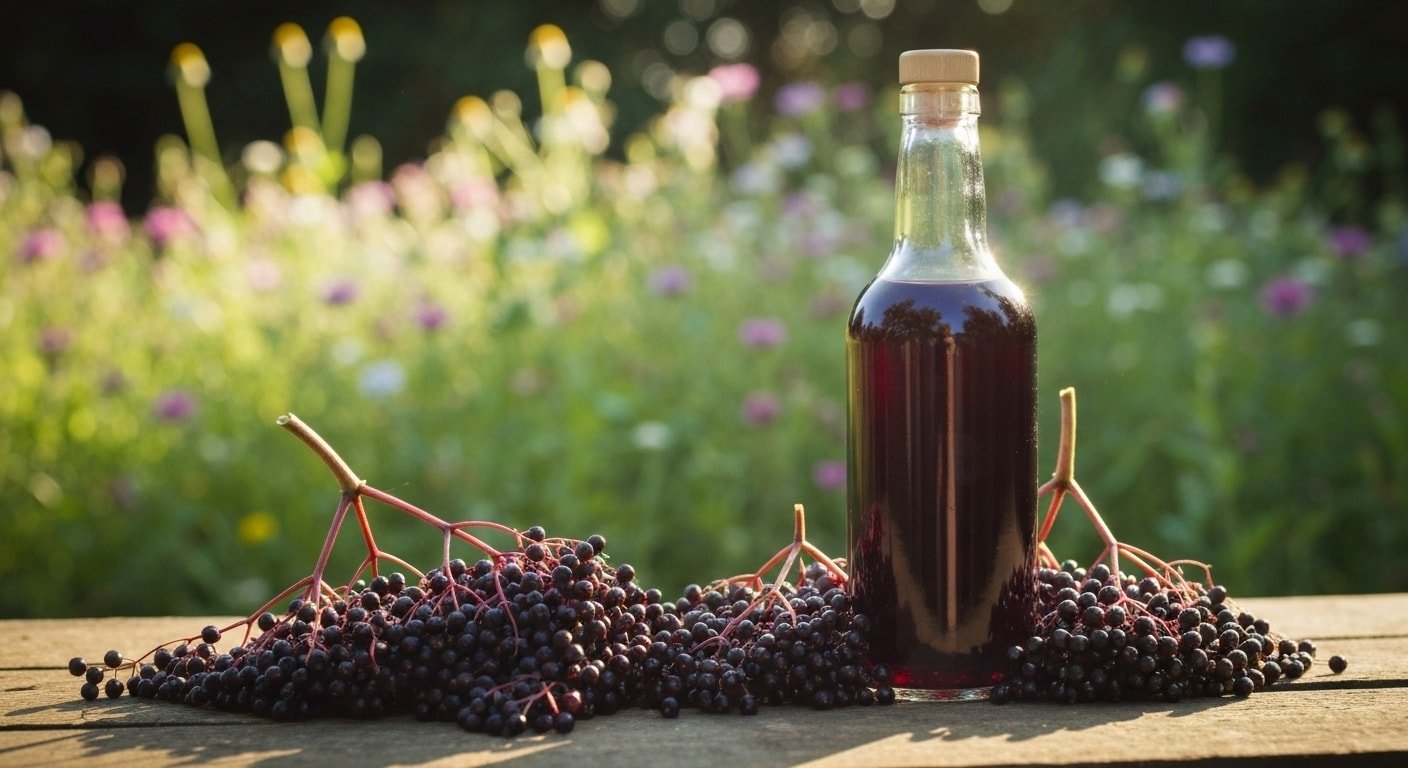
Elderberry syrup is a sweet liquid made from Sambucus nigra (black elderberry) fruit extracts. It’s widely marketed for seasonal immune support and for relieving viral respiratory illness symptoms when taken at the first sign of cold or flu.
How syrup form affects absorption and onset of benefits for cold and flu symptoms
Liquid syrups can deliver anthocyanins that reach peak blood levels about an hour after ingestion—similar to concentrated elderberry extracts used in pharmacokinetic studies. Clinically, older influenza trials using syrup reported faster improvement vs. placebo, but a recent emergency-department trial did not replicate these benefits. Expect hours for absorption but days for any noticeable symptom change.
Recommended dosage and timing for elderberry syrup to support immune health and relieve viral respiratory illness symptoms
In randomized influenza studies, adults used 15 mL of syrup four times daily for 5 days, started within 48 hours of symptoms. Always follow your product’s label and speak with a clinician if you have medical conditions or take medications. Do not use raw or unripe berries. Safety in pregnancy or breastfeeding is not established.
Elderberry Supplements
Types of supplements including capsules, tablets, and gummies derived from elderberry extract or raw elderberry fruit
Beyond syrups, elderberry comes as capsules, tablets, lozenges, and gummies, typically standardized to anthocyanins or labeled as elderberry extract. It is safe to take elderberry in supplement form every day, as long as the intake is within the recommended dose limits. Elderberry extracts are generally recognized as safe when taken within recommended limits, but excessive intake can have adverse effects, including diarrhea and vomiting. Additionally, elderberry may help reduce the levels of fat and cholesterol in the blood, improving heart health markers. Furthermore, elderberry consumption may lower uric acid levels in the blood, which is beneficial for heart health.
Bioavailability and effectiveness timeline of various supplement forms
Anthocyanin bioavailability is modest but measurable across forms; plasma levels generally peak within ~1–1.5 hours and decline over 6–24 hours. Whether capsules or gummies match liquid extracts clinically isn’t well established; results likely hinge on dose, standardization, and starting early in illness.
Considerations for supplement form, including potency of active ingredients and potential adverse effects
Choose standardized products with clearly stated anthocyanin content. Potential side effects include gastrointestinal upset; interactions with medicines are possible. Avoid raw preparations due to cyanide-producing compounds, as elderberries contain cyanogenic glycosides that can release cyanide and cause nausea, vomiting, and diarrhea when consumed raw. Symptoms of elderberry poisoning can include nausea, weakness, dizziness, and stupor. Allergic reactions to elderberries can occur, particularly in individuals allergic to other plants in the Caprifoliaceae family. Safety data are limited for pregnancy and lactation.
Elderberry Extract
Concentrated form of elderberry with potent antioxidants and phenolic acids
Concentrated extracts provide higher levels of anthocyanins and phenolic acids, compounds with antioxidant and anti-inflammatory activity in lab and preclinical models.
Absorption rates and how quickly benefits appear compared to whole berry or syrup forms
Human studies show elderberry anthocyanins (e.g., cyanidin-3-glucoside, cyanidin-3-sambubioside) appear in plasma within ~1 hour after extract ingestion, with urinary excretion largely in the first 4–7 hours. Clinical benefits, where seen, emerged over several days of dosing. Differences in elderberry extract from raw elderberries and elderberry juice
Standardized extracts aim for consistent anthocyanin dosage and remove potentially unsafe components present in raw plant parts. Juices provide nutrients but vary widely in polyphenol content; raw or unripe berries and other plant parts should not be consumed.
Cold and Flu Symptoms
Typical cold symptoms and flu symptoms elderberry targets, including muscle aches, joint pain, and inflammation
Products target upper-respiratory symptoms—sore throat, cough, nasal congestion—and flu-related aches, fatigue, feverishness, and inflammation.
How elderberry helps alleviate symptoms by supporting white blood cells and fighting inflammation
Mechanistically, elderberry polyphenols show antiviral and immunomodulatory actions in vitro and in preclinical studies (e.g., cytokine modulation, viral binding inhibition), which may explain symptom relief in some trials. Human evidence remains mixed. Elderberry has been linked to reductions in viral replication.
Expected timeline for symptom relief based on five randomized trials and other research
Across clinical literature synthesized in systematic reviews, elderberry may shorten the duration and severity of colds and possibly influenza, but estimates vary and certainty is low. Older RCTs (including syrup) suggested improvement ~2–4 days earlier; a 2020 RCT in emergency-department patients found no benefit. Overall: if benefits occur, expect changes over days, not hours, and results are inconsistent.
Elderberry Juice
Nutritional profile of elderberry juice including vitamin C and dietary fiber
Elderberries provide vitamin C and dietary fiber; measured vitamin C content varies by cultivar and processing (roughly ~13–44 mg per 100 g fruit in reports). Fiber is naturally present in whole berries; clear juices contain less fiber than whole fruit or pulpy preparations.
Absorption and onset of effects compared to other forms like syrup and supplements
Because anthocyanins from elderberry juice are absorbed and excreted within hours, you can expect rapid uptake—but, as with other forms, any symptom changes take days and depend on dose and timing.
Usage recommendations for elderberry juice as a natural remedy for respiratory illnesses
If you prefer juice, choose pasteurized, commercial products and consume as directed; avoid homemade raw juice from unripe berries. For illness, evidence favors starting a standardized product early and using it for several days if you choose to try it. Consult a clinician if you have underlying conditions or take medications.
Elderberry/Elderberries
Botanical background of the elderberry plant, a flowering plant belonging to the sambucus tree family
Sambucus is a genus of flowering plants in the family Adoxaceae; species are deciduous shrubs/small trees with flat clusters of creamy white flowers followed by dark berries.
Different species: black elderberry (sambucus nigra), european elderberry, american elder, and dwarf elder
Commonly used species include S. nigra (European/black elder), S. canadensis (American elder), S. nigra subsp. cerulea (blue elder), and S. racemosa (red elder); horticultural descriptions vary by species.
Characteristics such as the delicate muscat aroma of elderflowers and potential risks of consuming raw elderberries or raw elderberry fruit, which produces cyanide and should not be eaten raw
Elderflowers contribute a distinctive aromatic profile (terpenes and other volatiles often described as “muscat-like”), while raw berries and other plant parts contain cyanide-producing substances—cook or use commercial products only. Cooking elderberries removes the cyanide content, making them safe to eat.
Benefits of Elderberry
Immune system support and immune health benefits from elderberry supplementation
Small trials and reviews suggest elderberry may lessen cold or flu symptom duration/severity, possibly via antioxidant and immunomodulatory actions; evidence quality is low to moderate and not uniform across studies. Three studies assessed elderberry’s effect on cytokine production and found mixed results.
Potent antioxidants and anti inflammatory properties that help fight inflammation and support heart health
Elderberries are rich in anthocyanins and phenolic acids with antioxidant/anti-inflammatory activity in vitro and in vivo models; translation to specific cardiometabolic outcomes in humans requires more research. Elderberry has also been studied for its potential effects on blood sugar management, which might contribute to cardiovascular health.
Other health benefits including diuretic effects, antidepressant properties, UV radiation protection, and potential to treat fever and bacterial infections
These claims largely derive from traditional use and preclinical/early studies; robust human evidence is limited. Treat them as hypotheses, not established benefits.
Elderberry Benefits
Summary of clinical evidence and traditional uses of elderberry as a medicinal plant and natural remedy
Traditional use spans fevers, colds, and respiratory complaints. Modern trials offer mixed results: some suggest shorter illness duration; others show no difference from placebo. Standardization, dose, and early use likely matter.
Potential benefits in managing cold and flu, viral respiratory illness, and other health problems
Systematic reviews conclude elderberry may help treat viral respiratory illnesses, especially colds, but certainty is low and findings are inconsistent across trials.
Insights from randomized trials on elderberry intake, dosage, and delivery method
Positive trials commonly used standardized S. nigra syrup at 15 mL four times daily for 5 days, started within 48 hours. A 2020 hospital-affiliated RCT with similar dosing found no benefit. This highlights the need for cautious expectations and product quality control. sambucol.co
Cold and Flu
Role of elderberry in managing cold and flu symptoms and reducing duration of illness
As an adjunct (not a substitute for vaccination or antivirals), elderberry may reduce cold/flu symptom duration for some people when started promptly, but it should not delay medical care for severe symptoms.
Evidence from five randomized trials demonstrating elderberry’s effectiveness in alleviating cold symptoms and flu virus effects
Across randomized trials summarized in meta-analyses and systematic reviews, results vary: several older trials reported benefit; others did not. Overall, reviews judge the evidence as uncertain but suggest possible modest effects on duration/severity.
Elderberry as a natural remedy with many benefits, including support immune health and reduce muscle aches
If you choose to use elderberry, do so as part of a broader plan (rest, fluids, antipyretics as needed) and consider dosing used in trials. Expect any benefit over days, not hours.
Black Elder
Focus on sambucus nigra (black elder), the most commonly used species in elderberry supplements
Most commercial supplements use S. nigra due to its well-characterized anthocyanin profile and historical use.
Why black elder is preferred for its potent antioxidants and active ingredients beneficial for immune support
S. nigra fruits are particularly rich in anthocyanins and phenolic acids; these compounds underpin proposed immune and antiviral actions observed in preclinical research.
Delivery Method
Comparison of delivery methods including elderberry syrup, supplement form, elderberry extract, and elderberry juice
Liquids (syrups/extracts) provide rapid anthocyanin uptake; capsules/gummies depend on dissolution and standardization; juices vary in polyphenol and fiber content. Elderberry supplements should be taken with a meal and plenty of water for better absorption. Clinical outcomes depend more on dose, standardization, and timing than the mere form.
Impact of delivery method on how fast elderberry works and its bioavailability
Peak blood levels typically occur within ~1–1.5 hours post-dose for extract/juice. That’s “fast” pharmacokinetically, but symptomatic changes—if any—play out over several days of use.
Choosing the right delivery method for individual needs, considering health status and recommended dose
Select standardized products, start within 24–48 hours of symptoms, and follow evidence-based dosing (e.g., syrup 15 mL QID for 5 days in trials). The recommended dosage for elderberry extract is approximately one tablespoon per day. Discuss with a clinician if pregnant, breastfeeding, immunocompromised, or on interacting medications; avoid raw plant parts. sambucol.co
Practical Safety Notes
- Do not eat raw or unripe elderberries, leaves, or stems (cyanide-producing compounds). Cooked/commercial preparations are the safe options.
- Evidence is inconclusive overall; elderberry should complement—not replace—vaccination or antivirals for flu. Seek care for severe or worsening symptoms. Elderberry is not recommended for children, adolescents under 18, or pregnant or lactating women due to insufficient safety data for these groups.
- How Long Does It Take for Elderberry to Work
- Overview of onset time for elderberry effects, influenced by elderberry formulation and delivery method
- Factors influencing effectiveness timing such as how much elderberry is taken, health status, and supplement form
- Elderberry Syrup
- Elderberry Supplements
- Elderberry Extract
- Cold and Flu Symptoms
- Elderberry Juice
- Elderberry/Elderberries
- Benefits of Elderberry
- Elderberry Benefits
- Cold and Flu
- Black Elder
- Delivery Method
- Practical Safety Notes
Masterful Display
Each and everyone of our products are deeply considered, labored over, and improved upon time and time again. We invite you to experience the difference of our carefully crafted small batches of herbal support items. Whether it be our tea line, produced for a delightful experience, or our tincture blends and extracts, we have what you need.
