
Introduction to Agaricus Subrufescens in Japan
Agaricus subrufescens, also known as the almond mushroom, royal sun agaricus, or God’s mushroom, is a widely cultivated edible and medicinal mushroom species with significant popularity in Japan. Known for its purported medicinal properties, including antitumor activity and immune system benefits, this mushroom has become a staple in alternative and complementary medicine and functional food markets in the region. Its cultivation and natural occurrence in Japan are closely tied to the country’s temperate climate and diverse ecosystems, making it an ideal location for both wild growth and commercial production.
Taxonomy and Identification of Agaricus Subrufescens
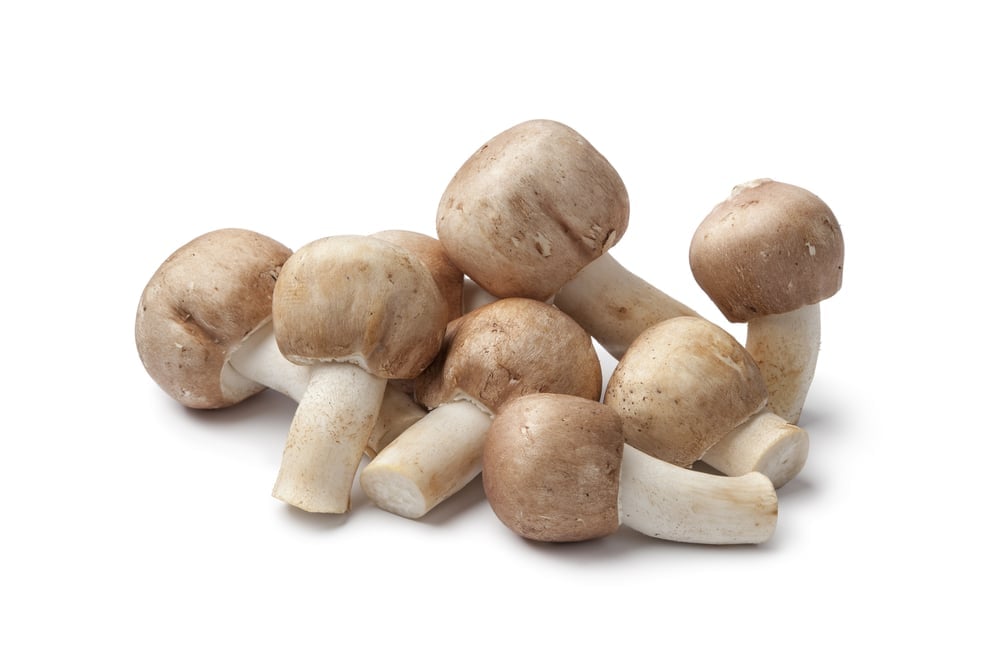
Understanding the taxonomy of Agaricus subrufescens is crucial for recognizing its presence in Japan. This mushroom species has been historically confused with Agaricus blazei, Agaricus brasiliensis, and Agaricus rufotegulis. However, genetic studies have clarified that these names often refer to the same species, with Agaricus subrufescens Peck having taxonomic priority. The mushroom features a cap that ranges in color from dull reddish brown to brownish gold, with dark purplish brown spores and cottony scales on the stem base, making identification in the wild and cultivation settings possible. The dark purplish brown spore print and the almond-like aroma are distinctive features that help differentiate it from other Agaricus mushrooms in Japan. Taxonomy Agaricus subrufescens is therefore essential for proper classification and understanding of its distribution.
Natural Habitat and Distribution in Japan
In Japan, Agaricus subrufescens naturally grows in rich soil environments, often associated with leaf litter and decomposing organic matter. It thrives in temperate climates and is commonly found in forest edges, parks, and domestic gardens. The mushroom prefers soil rich in nutrients and organic content, which supports its saprobic lifestyle. The presence of hemicellulase derived mycelia extract in the mushroom helps it break down complex plant materials in its habitat. It is especially prevalent in regions with abundant deciduous trees where leaf litter accumulates, providing an ideal substrate. The mushroom’s natural distribution in Japan spans from eastern north America introduced populations to localized native growth sites, often in areas with well-drained, slightly acidic to neutral pH soils. These conditions, combined with moderate humidity and stable temperatures, create the optimal environment for Agaricus subrufescens to fruit in the wild.
Cultivation Practices of Agaricus Subrufescens in Japan
Japan is one of the primary countries where Agaricus subrufescens is widely cultivated, both for culinary use and medicinal mushroom production. Cultivation typically involves controlled environments where temperature, humidity, and substrate composition are optimized to encourage fruit body formation. The mushroom is grown on composted materials enriched with nitrogenous additives and covered with a casing layer that retains moisture and protects the developing fruit bodies. The casing layer often consists of materials like peat or alternative substrates that maintain the appropriate moisture level and pH balance. The cultivation process often employs water and ethanol extracts of the mushroom for research and product development. Optimal temperatures for mycelial growth range between 25–28°C, while fruiting is induced at slightly lower temperatures around 22–25°C. Seasonal adjustments and environmental controls in cultivation houses replicate natural conditions found in Japan’s forests and gardens to maximize yield and quality.
Medicinal Properties and Uses in Japan
Agaricus subrufescens is highly regarded in Japan for its medicinal properties, including anti viral activity, immune response modulation, and overall anti diabetic activity. Extracts from the fruit bodies, especially protein complex polysaccharides like beta glucan, have been shown to stimulate natural killer (NK) cells and antigen presenting cells, critical regulators of immune function. These properties have led to its use in alternative medicine for cancer patients, chronic hepatitis, bacterial infections, and diabetic rats models in research. Oral administration of Agaricus subrufescens extracts is common in Japan, with aqueous extract formulations being popular for their bioavailability and immune-enhancing effects. The mushroom’s beneficial properties are linked to its chemical structure, including high molecular weight polysaccharides that modulate immune responses through pathways involving IFN γ and nitric oxide production. These biological activities contribute to its reputation as a functional food and natural therapy in Japanese healthcare.
Environmental Factors Affecting Growth in Japan
The growth of Agaricus subrufescens in Japan is influenced by several environmental factors such as soil composition, temperature, humidity, and the presence of leaf litter. The mushroom prefers slightly acidic to neutral pH soils with good drainage and organic matter. Seasonal changes affect fruiting times, with most growth occurring in late spring through autumn. Soil rich in dietary fiber and organic compounds supports the fungal strains’ development, while the alternative pathway of nutrient cycling in forest ecosystems facilitates substrate availability. Moisture levels are critical, as excessive dryness or waterlogging can hinder growth. Additionally, the presence of microbial communities and interactions with other soil organisms can impact Agaricus subrufescens’ ability to colonize and fruit. Understanding these factors is essential for both natural foraging and commercial cultivation, ensuring sustainable production and conservation of wild populations.
Challenges and Safety Considerations in Japan
While Agaricus subrufescens is valued for its health benefits, there are safety considerations related to liver function and the content of agaritine, a compound with potential toxicity. Japanese regulatory bodies monitor agaricus supplement products to ensure consumer safety. Research continues into optimizing cultivation and extraction methods to maximize medicinal properties while minimizing risks. Monitoring liver enzymes in consumers is important, as some reports suggest possible effects on liver function. Toxicological studies using animal models, comet assay testing, and clinical trials aim to clarify the safety profile of Agaricus subrufescens products. Additionally, ensuring the chemical structure of extracts avoids harmful compounds while preserving beneficial properties is a key focus. These safety measures help maintain public confidence in Agaricus subrufescens as a complementary therapy and edible mushroom in Japan.
Conclusion: The Role of Agaricus Subrufescens in Japanese Culture and Medicine
Agaricus subrufescens plays an important role in Japan as both a cultivated edible and medicinal mushroom. Its growth in Japan is supported by favorable environmental conditions and advanced cultivation techniques. The mushroom’s medicinal properties continue to attract scientific interest, making it a significant species in natural therapy and functional food industries. Understanding where and how it grows in Japan helps ensure sustainable use and maximizes its health benefits. As research progresses, Agaricus subrufescens may become an even more integral part of Japan’s approach to alternative and complementary medicine, combining traditional knowledge with modern scientific validation.

Reviewed by: Press On Staff • Last reviewed: September 2025
Editorial policy · Sourcing & citations · Contact
Disclaimer: Educational content. Not medical advice.
Masterful Display
Each and everyone of our products are deeply considered, labored over, and improved upon time and time again. We invite you to experience the difference of our carefully crafted small batches of herbal support items. Whether it be our tea line, produced for a delightful experience, or our tincture blends and extracts, we have what you need.
