
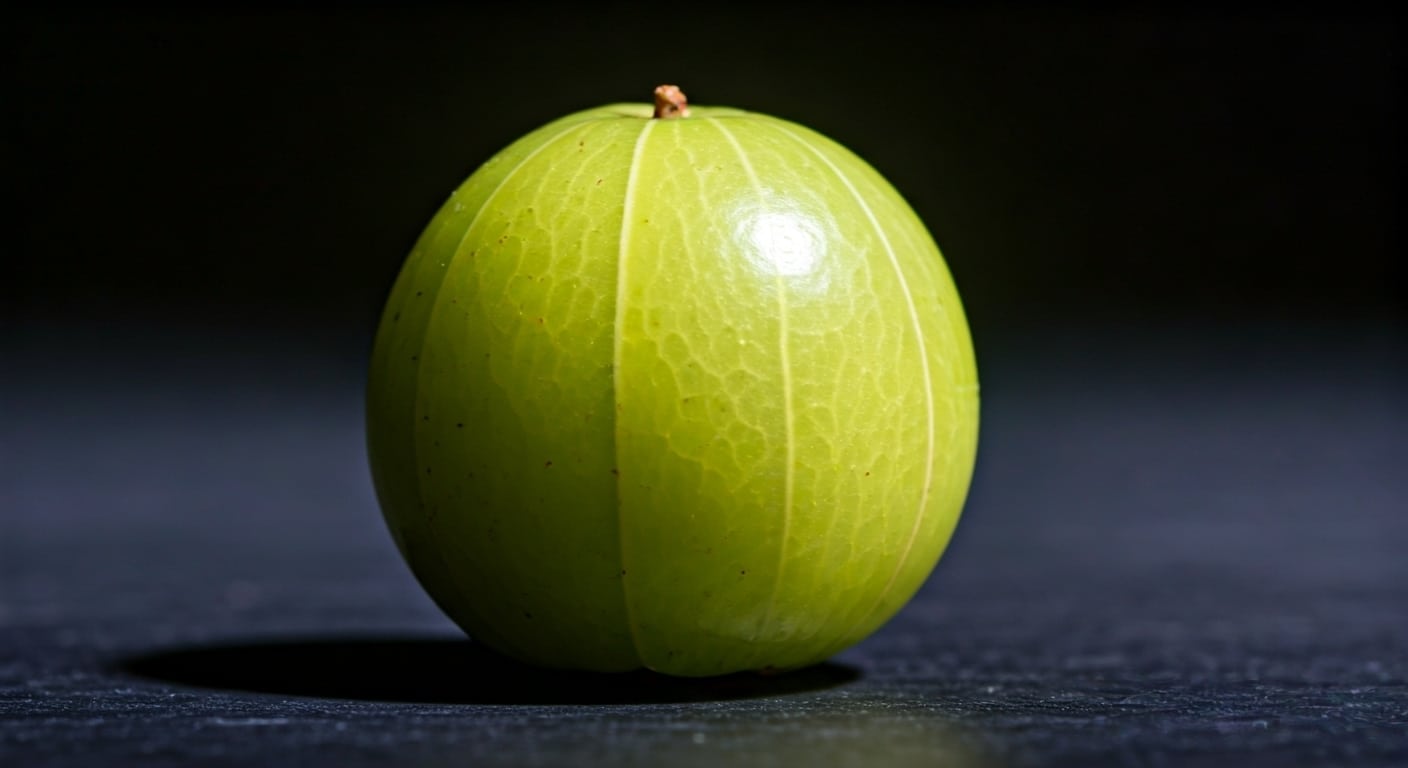
A nourishing fruit with deep roots in traditional wellness and a growing presence in modern routines.
What Is Amla?
Amla—also known as Indian gooseberry, amla berry, or amla fruit—comes from the small tree Phyllanthus emblica (syn. Emblica officinalis Gaertn) in the Euphorbiaceae family. This bright green, sour-tart fruit has been used for centuries across the Indian subcontinent, Southeast Asia, and other countries with similar climates.
You’ll see amla sold as:
- Fresh fruits
- Frozen berries
- Dried pieces
- Powder
- Juice
- Capsules
- Standardized extracts
Amla berries are known for their sharp, sour profile with a hint of bitterness. In many regions, they’re eaten as a nutritious snack, made into pickles, cooked into chutneys, or dried into a tangy fruit powder.
In modern wellness, amla shows up in teas, smoothies, capsules, hair oils, and beauty products—while in traditional contexts, it’s considered one of the most important everyday botanicals.
Amla in Ayurveda
Amla has special status in Ayurvedic practice. Several key ideas explain why:
Amla as a Rasayana Herb
In Ayurveda, a Rasayana is a rejuvenating herb believed to support longevity, vitality, and the body’s natural resilience. Amla is one of the most famous Rasayana plants.
Balances All Three Doshas
Amla is considered tridoshic, meaning it helps balance Vata, Pitta, and Kapha. Its cooling, sour, and grounding qualities give it a unique profile that fits into many wellness routines.
Amla in Triphala
Amla is a key component of Triphala, a renowned herbal blend made of:
- Amla (Phyllanthus emblica)
- Haritaki (Terminalia chebula)
- Bibhitaki (Terminalia bellirica)
Traditional uses frame Triphala as supporting digestive health, regularity, and overall well-being.
Traditional Uses
Historically, amla is associated with:
- Digestive support
- Balanced energy
- Overall vitality
- Skin brightness
- Hair nourishment
- A stable daily routine
These uses are framed by tradition, not modern medical claims.
Nutrition Profile of Amla
Amla is often described as a “superfood.” That word gets used loosely, but in this case, it’s not far off—this tiny fruit has an unusually dense nutritional profile.
High Vitamin C Content
Amla berries are famously rich in vitamin C—often described as having as much vitamin C as multiple oranges per gram. Some servings contain more than twice the daily recommended value for adults. This high vitamin content contributes to amla’s tart flavor, antioxidant activity, and culinary versatility.
Antioxidants & Polyphenols
Amla contains:
- Polyphenols
- Tannins
- Flavonoids
- Gallic acid
- Ellagic acid
These contribute to its strong antioxidant power and micronutrient potential.
Fiber for Digestive Rhythm
Amla’s soluble fiber helps slow the rate of sugar absorption in normal digestion, which may help maintain smooth post-meal energy.
Vitamins & Minerals
Amla fruit contains:
- Vitamin C
- Vitamin A
- Small amounts of B vitamins
- Iron
- Calcium
- Copper
- Potassium
Different studies in food sciences analyze these chemical constituents to understand how the whole fruit behaves when dried, powdered, or heated.
Antioxidant & Micronutrient Potential
A large part of amla’s reputation comes from its antioxidant activity. These antioxidants support the body’s natural defenses against everyday stressors.
Micronutrient Potential
Surfer keyword hit: antioxidant and micronutrient potential, micronutrient potential.
Amla’s compounds help protect its own fruit tissue from degradation, which is partly why amla powder stays shelf-stable for so long when stored properly.
Anti-Inflammatory Properties
Amla is historically used to soothe and support the body, and modern discussions often mention its “anti inflammatory properties” in a general wellness sense—without implying medical treatment.
Aging Process
Because antioxidants help protect cells from oxidative stress, some people include amla in routines aimed at supporting graceful aging and overall vitality.
In Vitro Studies
Laboratory (in vitro) research looks at how amla compounds behave under controlled conditions. These studies are early-stage but contribute to understanding its antioxidant characteristics.
Potential Wellness Benefits
Below are general wellness themes associated with amla. These are not medical claims—just common ways people incorporate amla into a balanced lifestyle.
1. Digestive Rhythm & Gut Comfort
Amla is widely used in Ayurvedic digestive routines. Its fiber content supports:
- Regularity
- Comfortable digestion
- A steady, grounded feeling after meals
The soluble fiber in amla helps slow post-meal sugar absorption, supporting balanced energy.
2. Natural Immune Support
Amla contains vitamin C and several antioxidants. Together, these help support the body’s natural resilience and immune function.
3. Skin Brightness & Elasticity (Traditional Use)
In Ayurvedic traditions, amla is used internally and externally to:
- Support skin elasticity
- Promote a natural glow
- Balance heat and Pitta energy
This is why you’ll see amla in beauty oils, masks, and ingestible formulas.
4. Hair Strength & Follicle Support
Amla is famous in haircare, where it’s believed to:
- Support hair follicles
- Promote shine and thickness
- Strengthen strands when used in oils
This is one of its most popular traditional uses.
5. Eye Wellness (General Support)
Amla provides vitamin A, which plays a role in normal eye function. Many people include amla in routines aimed at visual comfort and resilience.
6. Cognitive Support (General)
Amla’s phytonutrients are often discussed in relation to:
- Focus
- Memory
- Mental clarity
These discussions revolve around antioxidant protection of cells, not medical effects.
7. Metabolic & Cardiovascular Support (Lifestyle Context)
Some research explores amla in relation to:
- Lipid profile balance
- Glucose response
- Cardiovascular wellness
These findings are discussed in the context of diet + lifestyle studies on normal subjects, not medical treatment.
8. Liver & GI Organ Support (General Framing)
Some people use amla as part of routines aimed at:
- Liver wellness
- GI comfort
- Whole-body cleansing traditions
Again—no medical claims, just general wellness framing.
Forms of Amla (Which One Is Best for You?)
1. Amla Powder
One of the most popular forms.
Why people like it:
- Easy to mix into smoothies
- Potent flavor
- Versatile for teas or warm drinks
- Affordable
- Long shelf life
- Fits many Surfer terms (powder, spices, smoothie)
How to use powder
- ½–1 tsp daily
- Start small
- Mix with honey, ginger, cinnamon, or lemon
- Add to warm water or tea
Storage:
- Keep in an airtight container
- Store in a dry place
- Avoid direct sunlight
- Powder stays fresh longer when handled properly
2. Amla Juice
Bottled or concentrated.
Common routine
- 2–4 oz, diluted in water
- Tart flavor—pair with mint or a squeeze of lemon
- Works well in morning wellness habits
Refrigeration
Once opened, amla juice typically stays fresh for about two weeks in the refrigerator.
3. Amla Extract (Capsules or Liquid)
Ideal for people who want precise, concentrated servings.
Benefits
- Smaller daily amounts
- Standardized potency
- Easy travel option
Most people follow label recommendations due to variation between products.
4. Frozen or Dried Amla Berries
Great for cooking or smoothies.
- Frozen berries blend well
- Dried berries taste sweet-sour and travel easily
- Good for those who prefer whole-fruit routines
How to Use Amla in Daily Life
The keyword “daily routine” fits perfectly here.
Smoothies
Popular additions:
- Spinach
- Mango
- Pineapple
- Ginger
- Cinnamon
- Honey (another Surfer keyword hit)
Tea
- Brew dried amla or powder
- Add ginger, cardamom, or lemon
- Balanced flavor with warming spices
Cooking
Some people incorporate amla into:
- Chutneys
- Curries
- Spice mixes
- Pickles
Capsules / Extracts
Convenient for travel, simple dosing, and consistent intake.
Amla for Hair and Skin Care
This section hits several required facts + Surfer keywords.
Hair Care
Amla is used traditionally to:
- Support hair follicles
- Add shine
- Create a feeling of thickness
- Balance scalp oil
You’ll find it in shampoos, serums, oils, and masks.
Skin Care
Amla is used to support:
- Skin tone
- Elasticity
- Hydration balance
- A bright, fresh look
Many beauty brands combine amla with aloe, turmeric, or hyaluronic acid.
Buying Amla: Quality Matters
A few quality markers help you pick the best product.
Check for Purity
Look for:
- No artificial colors
- Minimal fillers
- Transparent ingredient lists
- Organic sourcing (Surfer keyword hit)
Watch for Heavy Metals
Some herbs grown in contaminated soil may carry heavy metals. Reputable brands avoid this risk through testing or careful sourcing.
Check the Soil & Origin
Many believe amla grown in nutrient-rich soil under strong sunlight creates a more potent fruit. India, Sri Lanka, Thailand, and parts of Southeast Asia are top producers.
Third-Party Testing
Companies offering purity and potency testing are often more reliable.
Research Overview
How Research Evaluates Amla
Studies use terms like:
- Evaluated
- Normal subjects
- Antioxidant activity
- Lipid profile
- Glucose response
These findings suggest potential roles for amla in metabolic health when combined with balanced diet and lifestyle. We avoid disease claims and describe these findings at a high level.
International Journal Mentions
Many analyses appear in:
- International Journal of Food Sciences
- Nutrition research journals
- Phytochemical analysis publications
These articles look at chemical constituents, antioxidant profiles, and comparative potency of fresh vs dried forms.
How to Store Amla
Storage keywords are extremely important for Surfer.
Powder
- Airtight container
- Cool, dry place
- Avoid direct sunlight
- Stays fresh longer due to low moisture
Fresh Fruit
- Refrigerate
- Stays fresh for about two weeks
- Keep whole until use
Berries (Dried or Frozen)
- Dried berries: pantry
- Frozen berries: freezer
- Both last long with minimal nutrient loss
Juice
- Refrigerate after opening
- Use within 14 days
Amla Taste, Texture & Culinary Uses
Taste-related keywords: tart flavor, bitter, taste.
Amla’s flavor is:
- Sour
- Slightly bitter
- Tangy
- Sharp
Why people enjoy it
This bright profile makes it great for:
- Blending into smoothies
- Balancing sweet fruits
- Making chutney
- Pairing with honey
- Adding complexity to teas and spice blends
Is Amla Used Outside India?
Yes — popularity is rising across other countries due to:
- Increasing interest in superfoods
- Growth in Ayurvedic wellness
- Inclusion in international beauty brands
- Global demand for plant-based antioxidants
Frequently Asked Amla Questions
Does amla help with overall health?
Amla is widely used as a general wellness fruit thanks to its nutrients, antioxidants, and traditional reputation. This is a lifestyle context—individual results vary.
Can I take amla every day?
Many people include small amounts of amla daily as part of their routine—powder, juice, or capsules.
Is fresh fruit better than powder?
Fresh amla has the highest moisture and vitamin content, while powder offers convenience and long shelf life. Both support slightly different routines.
What about amla for diabetes, cholesterol, heart health, liver function?
We avoid medical claims. Research discusses amla’s influence on lipids, glucose, liver parameters, and arterial stiffness in normal subjects within lifestyle contexts, not treatment settings.
How does amla compare to other antioxidant-rich fruits?
Its unusual combination of tannins, vitamin C, and polyphenols makes it one of the more potent antioxidant fruits measured in vitro.
Final Thoughts
Amla is one of the world’s most versatile fruits—deeply rooted in traditional Ayurvedic practice, packed with antioxidants, and increasingly popular in modern beauty, culinary, and wellness routines.
Whether you use it as:
- A powder in your smoothie,
- A bright addition to herbal tea,
- A daily capsule,
- A tart juice shot, or
- A nourishing hair or skin product…
…it easily fits into a balanced, grounded daily lifestyle.

Reviewed by: Press On Staff • Last reviewed: November 2025
Editorial policy · Sourcing & citations · Contact
Disclaimer: Educational content. Not medical advice.
Masterful Display
Each and everyone of our products are deeply considered, labored over, and improved upon time and time again. We invite you to experience the difference of our carefully crafted small batches of herbal support items. Whether it be our tea line, produced for a delightful experience, or our tincture blends and extracts, we have what you need.
