
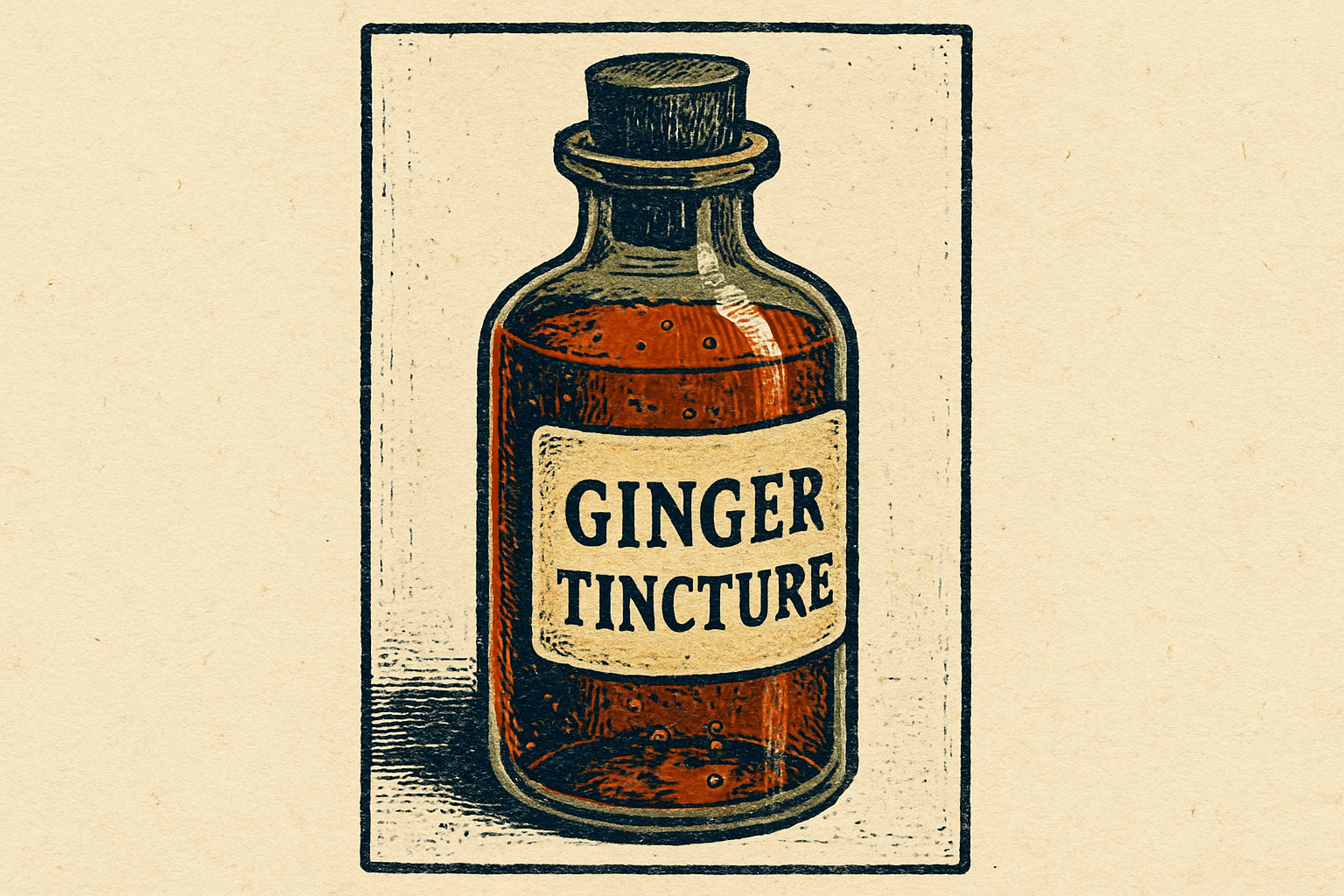
Ginger tincture is a concentrated liquid extract made from Zingiber officinale. It is commonly prepared using fresh ginger root, dried ginger, or powdered ginger, steeped in high proof alcohol or apple cider vinegar. Tinctures are used because they are simple to store, easy to measure, and can be added to hot water, herbal tea, or recipes. Alcohol free options prepared with vegetable glycerin are also available.
Ginger Root
Ginger root is often used when preparing tinctures at home. Fresh ginger root and organic ginger provide warm, spicy flavor. The root can be sliced or grated into a clean jar and covered with high proof alcohol. Ginger root tincture is typically kept in a dark cabinet for several weeks to allow extraction. Once strained, it may be stored in dropper bottles for convenience.
Ginger Extract
Ginger extract describes liquid prepared from ginger root, dried ginger, or powdered ginger steeped in a solvent. Many people use ginger extracts in a few drops added to warm beverages. Some products use high proof vodka, while others use vinegar or vegetable glycerin. Ginger extract may be purchased ready-made or prepared at home with a clean jar and dark storage.
Organic Ginger
Organic ginger is frequently used for tincture preparation. Fresh ginger or dried ginger can be placed into a glass jar and covered with alcohol. The jar is then sealed, shaken, and left to sit in a dark place. Organic ginger tincture may be preferred for flavor-sensitive preparations.
Fresh or Dried Ginger
Fresh or dried ginger may both be used. Fresh ginger root provides a brighter aroma, while dried ginger and powdered ginger offer more concentrated spice. Either option can be used in herbal tinctures. When dried ginger is used, some powder may settle to the bottom of the jar before extraction.
Ginger Syrup
Ginger syrup is prepared differently from tincture. It is made by gently simmering ginger with sugar and water. Ginger syrup has a limited shelf life and may include a little sweetener to balance flavor. Ginger syrup can be added to beverages or foods.
Liquid Extract
A liquid extract is ginger infused into a solvent such as high proof vodka, apple cider vinegar, or vegetable glycerin. These extracts are typically sold in dropper bottles. Liquid ginger extract is convenient for kitchen use and blends easily into herbal tea, hot water, or recipes.
Dried Ginger
Dried ginger may be combined with other herbs or added to preparations at home. Some individuals use dried ginger in tinctures, placing it in a jar and covering it with alcohol or vinegar. Powdered ginger may be strained out after sitting for several weeks.
Alcohol Free
Alcohol free tinctures are often prepared with vegetable glycerin rather than alcohol. These preparations are sometimes called glycerites. Alcohol free extracts may appeal to those who prefer not to use alcohol. Because glycerin-based preparations have a shorter shelf life, they are typically used sooner.
How to Make Ginger Tincture
Ginger tincture can be made at home with fresh ginger or dried ginger.
Simple Method
- Chop fresh ginger root or use dried ginger.
- Place ginger in a clean jar (pint jar works well).
- Cover with high proof alcohol (vodka) or apple cider vinegar.
- Seal and shake.
- Let it sit in a dark cabinet or dark place for several weeks.
- Shake occasionally.
- Strain and transfer to a dropper bottle.
A few drops of extract may be added to hot water, herbal tea, or recipes. If using vegetable glycerin or vinegar instead of high proof alcohol, flavor may be milder.
Plastic bottles are sometimes used for temporary transfer, though glass containers are typically preferred.
Safety Considerations
Ginger tincture is not appropriate for every person. Individuals taking blood thinners or prescription medications should speak with a clinician before use. No herbal tincture is completely safe for all individuals. Those concerned about irritation of soft tissues in the intestinal tract or respiratory tract may start with only a small dose.
Tinctures should be stored in clean jars or dropper bottles away from heat and direct light. Alcohol-based tinctures may last longer than glycerin or syrup preparations.
Frequently Asked Questions
Is ginger tincture alcohol free?
Traditional tinctures use alcohol. Alcohol free versions made with vegetable glycerin may be available.
How many drops do people use?
People often start with only a few drops added to warm water or herbal tea and adjust according to personal preference.
Can I make ginger tincture with apple cider vinegar?
Yes. Apple cider vinegar can be used instead of alcohol. It generally produces a milder extract with a shorter shelf life.
How should ginger tincture be stored?
Store in a clean jar or dropper bottle in a dark place. Avoid heat and direct light.
References
- Memorial Sloan Kettering Cancer Center. Ginger Monograph.
- Marx W et al. “Ginger and Inflammation: Clinical Review.” Food & Function.
- Black CD et al. “Ginger and Muscle Pain.” Journal of Pain.
- Thomson M et al. “Zingiber officinale Review.” Phytotherapy Research.
- National Center for Complementary and Integrative Health. Herbal Preparation Overview.

Reviewed by: Press On Staff • Last reviewed: November 2025
Editorial policy · Sourcing & citations · Contact
Disclaimer: Educational content. Not medical advice.
Further reading on Ginger
Main
Tea & How-To
How Much Ginger Tea Per Day Should I Drink
Ginger Tea Benefits
Ginger Tea for Cough
Ginger Tea Weight Loss
Ginger Lemon Tea
Ginger Tea vs Ginger Capsules
Recipes & DIY
Safety & Interactions
What Are Ginger Tea Side Effects
Ginger Medication Interactions
Ginger Pregnancy
Is Ginger Safe While Breastfeeding?
Ginger and Blood Pressure
Does Ginger Interfere with Seizure Medicine?
Ginger Dosage
Benefits by Topic
Traditions
Masterful Display
Each and everyone of our products are deeply considered, labored over, and improved upon time and time again. We invite you to experience the difference of our carefully crafted small batches of herbal support items. Whether it be our tea line, produced for a delightful experience, or our tincture blends and extracts, we have what you need.
