
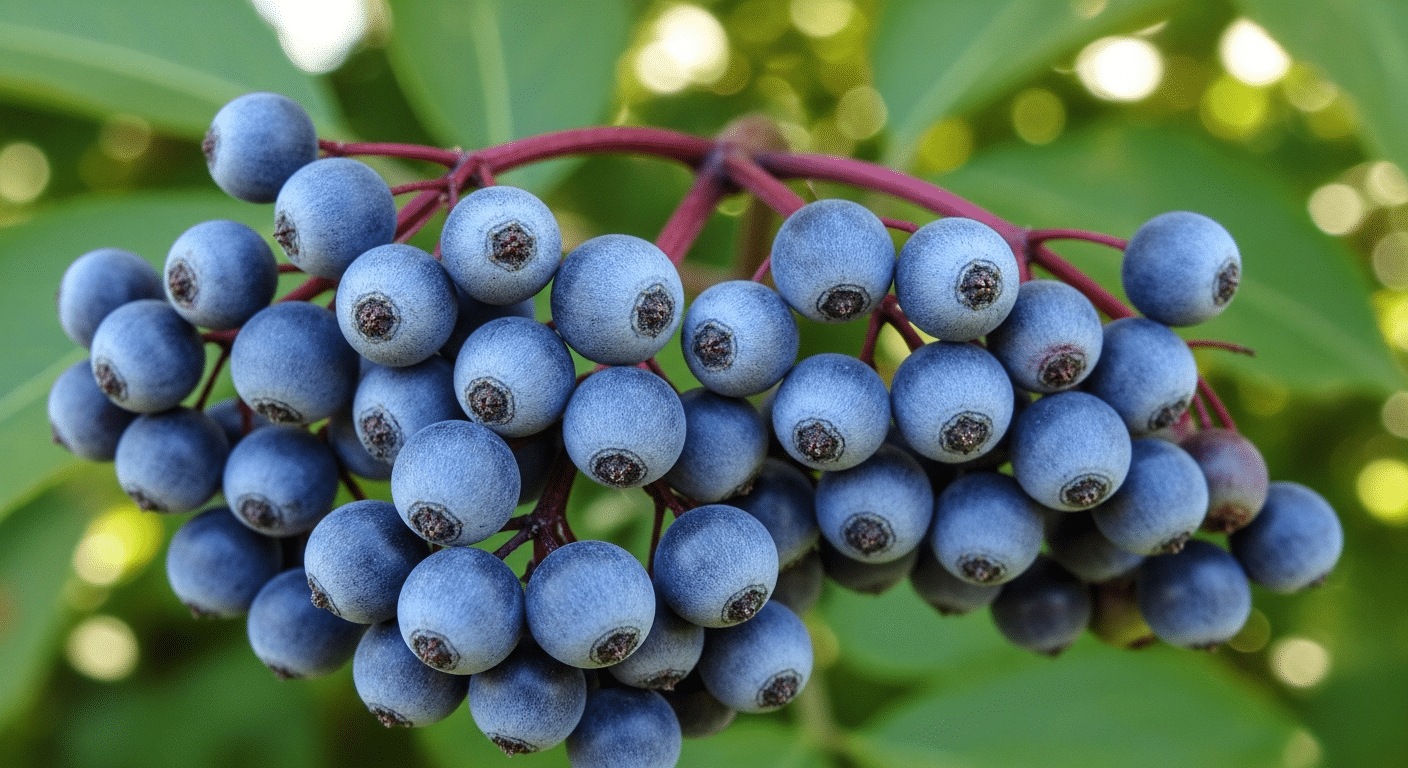
Sambucus cerulea, or blue elderberry, is a valuable plant known for its striking looks and multiple uses. This article explores what Sambucus cerulea is, its benefits, and how to grow it. Whether you’re a gardener or looking for natural remedies, you’ll find useful information here.
Key Takeaways
- Sambucus cerulea, or blue elderberry, is an ornamental and edible shrub native to western North America, thriving in various climates and soil types.
- Both the flowers and berries of Sambucus cerulea are edible but must be cooked to eliminate toxic compounds; the plant is also valued for its medicinal properties, particularly in supporting respiratory health.
- Proper cultivation techniques include ensuring well-drained, moist soil, regular pruning for optimal fruit production, and utilizing propagation methods such as seed germination and cuttings.
Overview of Sambucus cerulea
Sambucus cerulea, or blue elderberry, is a deciduous shrub that brings a touch of elegance to any landscape. Known scientifically as Sambucus nigra subsp. caerulea, this plant is part of the diverse elderberry genus, which includes well-known species like the black elderberry and the American elderberry. Typically, blue elderberry grows to a height of 6.5 to 13 feet, although it can reach up to 20 feet under ideal conditions, making it a versatile addition to both small and expansive gardens.
This shrub’s beauty is not its only charm. It offers a plethora of benefits from culinary delights to medicinal uses, making it a favorite among edible plants. Its ability to adapt to various environments adds to its allure, ensuring that gardeners across different regions can enjoy its many offerings.
Physical Characteristics
Standing tall at up to 20 feet, Sambucus cerulea can make a striking statement in any garden. Its leaves, comprising 5 to 9 leaflets, vary in length from 3 to 15 centimeters, adding lush greenery to its surroundings. The shrub’s flowers are another highlight, forming creamy white clusters that range from 5 to 20 centimeters wide, creating a delicate yet dramatic display.
Come late summer, the flowers give way to bluish-black berries, each adorned with a natural waxy coating that lends them a distinctive light blue appearance. These berries are not just visually appealing; they are also a valuable food source for both humans and wildlife. The plant’s adaptability to different soil conditions—from mildly acidic to mildly alkaline—along with its tolerance for varying moisture levels, makes it a resilient addition to any garden.
Apart from its aesthetic and edible values, the wood of Sambucus cerulea is soft and can be used for crafting musical instruments, adding yet another layer of utility to this versatile plant. Whether you’re looking to enhance your garden’s beauty or benefit from its numerous uses, Sambucus cerulea stands out as an exceptional choice.
Native Range and Habitat
Sambucus cerulea is a native gem of western North America, flourishing from the southern parts of British Columbia and western Alberta to the sunny climes of California, Arizona, and New Mexico. Its distribution also spans western Montana, Colorado, and the Trans-Pecos region of Texas, showcasing its adaptability to various climates, including sambucus mexicana.
The blue elderberry often graces moist areas of forests, riparian zones, and early seral communities, where it thrives alongside species like alder and quaking aspen. In California’s Central Valley, it is a common sight along roads and streams, adding to the region’s rich biodiversity. This plant prefers loamy soils but is equally at home in sandy, clay, and gravelly conditions.
Sambucus cerulea has the following habitat preferences and growth conditions:
- Favored habitats include valley bottoms and open slopes, indicating a preference for sunny environments.
- Adaptable to varying altitudes, ranging from sea level to around 10,000 feet.
- Shows remarkable resilience by thriving in disturbed areas.
- Requires ample light and moisture for optimal growth, but without waterlogging.
Edible Uses and Nutrition
Both the flowers and fruit of Sambucus cerulea are edible, but caution is necessary. Blue elderberries must be cooked before consumption to neutralize the toxic compounds present in raw fruit, which can cause nausea and other digestive issues if eaten raw. When properly prepared, these berries can cook into a versatile culinary ingredient, making them a delicious option for those seeking edible fruit.
Elderberries can be made into jams, syrups, and beverages, offering a delightful addition to your pantry. Elderberry syrup, for example, can be drizzled over waffles, mixed into sparkling water, or used as a glaze for meats. The juice, rich in flavor, makes excellent jelly or a drizzle for desserts like cheesecakes and ice cream. The flowers, too, are not to be overlooked; they can be crafted into cordials or fried into fritters, adding a floral twist to your culinary creations.
The berries’ flavor pairs well with citrus and warm spices, making them a versatile ingredient in cooking. Whether you’re looking to add a unique touch to your meals or create homemade preserves, Sambucus cerulea offers a rich palette of culinary possibilities with fruits.
Medicinal Properties
Historically, Sambucus cerulea has been a natural remedy in many cultures, particularly for respiratory ailments. Native Americans and early settlers utilized the blue elderberry to alleviate symptoms of colds and influenza, harnessing the plant’s medicinal properties.
Elderberry syrup, often combined with honey, remains a popular natural remedy to this day. Its antiviral properties and potential to boost the immune system make it a go-to solution during flu season. Adding blue elderberry to your wellness routine can naturally support respiratory health and overall well-being.
Cultivation Tips
For those looking to cultivate Sambucus cerulea, understanding its soil and water preferences is key:
- The plant thrives in well-drained, moist conditions with a pH between 6 and 7.
- Once established, blue elderberry can withstand drier conditions.
- It requires irrigation during its first three years for optimal growth.
- Drip irrigation is recommended to efficiently water the shrub, reducing weed growth and delivering moisture directly to the roots.
Mulching around young plants helps retain soil moisture and suppress weeds, making it easier for the shrub to establish itself. In California, the ideal planting times are during the cooler fall and winter months, which provide the necessary conditions for the plant to thrive, especially considering the challenges posed by dry summers. For single-species hedgerows, a spacing of 4-8 feet between plants maximizes growth potential.
Tree protection tubes can safeguard young plants from pests and herbicide drift, ensuring they reach maturity without undue harm. Blue elderberry can flourish in a range of light conditions, from full sun to partial shade, making it a versatile addition to various garden settings.
Pruning and Maintenance
Pruning is essential for maintaining the vigor and productivity of elderberry plants. It’s best to prune blue elderberry in late winter or early spring, before the onset of new growth. Regular pruning promotes healthier shrubs and encourages better fruit production.
Clearing out dead or damaged wood reduces disease risk, ensuring that the plant remains robust. Additionally, maintaining a mix of young and older canes supports consistent fruiting, as elderberries are most productive on canes that are between one to three years old. This balance ensures a steady supply of berries each season.
Wildlife Benefits
Sambucus cerulea is a boon for wildlife, offering food and habitat to various species. Its benefits include:
- Attracting migratory birds like robins and orioles with its nutrient-rich berries, providing vital sustenance during their journeys.
- Providing food and shelter to small mammals.
- Supporting insects, enhancing local biodiversity.
The flowers of Sambucus cerulea are a key nectar source for pollinators, attracting bees and butterflies early in the season. These blooms, rich in nectar and pollen, play a crucial role in supporting pollinator populations. The dense foliage offers nesting sites for various bird species, contributing to the ecological richness of the area.
Planting blue elderberry helps gardeners establish a thriving ecosystem, supporting diverse wildlife and enhancing garden beauty and biodiversity.
Harvesting and Preparation
When it comes to harvesting Sambucus cerulea, timing is everything. Here are some important tips:
- Pick elderberries during the cooler parts of the day to maintain their quality.
- Keep harvest containers off the ground to prevent contamination from soil.
- The best time to harvest these berries is from late summer to early summer, typically between August and September.
Look for berries that are dark blue to dusky gray, avoiding green or unripe fruit. A dusty white bloom on the berries indicates they are ready for harvest. For elderflower harvesting, aim for when most blooms are open but before petal drop to ensure the highest quality.
A practical tip for preparing the berries is to freeze the cluster of clusters. Then, rub them through a sieve to separate the fruit from the stems. This method simplifies the preparation process, making it easier to transform the cooked berries into delightful culinary creations.
Safety and Toxicity
While Sambucus cerulea offers numerous benefits, it is crucial to handle the plant with care due to its toxic components:
- The raw fruit, stems, and leaves contain hydrocyanic acid and sambucine, which can cause stomach upset if ingested.
- Elderberries should never be consumed raw.
- Elderberries must be cooked to neutralize these toxic compounds.
When preparing the berries, always discard the stems and leaves to avoid toxicity. Additionally, inspect for animal fecal matter during harvesting to prevent contamination. By following these safety guidelines, you can enjoy the benefits of Sambucus cerulea without any adverse effects.
Ornamental Value
Sambucus cerulea is not only functional but also adds ornamental value to gardens. Its creamy white flower clusters that bloom in spring are visually striking, creating a beautiful contrast with the lush green foliage. The unique bluish-black berries, with their natural dusty coating, further enhance the plant’s aesthetic appeal, making it a favorite choice for decorative gardens.
Blue elderberry can be shaped into a tree-like form, adding height and a dramatic presence to garden landscapes. Its structure and size make it suitable as a focal point in garden beds, providing a lush, green backdrop that complements various garden designs.
The overall beauty of sambucus caerulea, from its sweet flowers to its berries, ensures it will be a standout feature in any wine garden.
Common Lookalikes
Several plants resemble Sambucus cerulea, making identification crucial. Familiar elderberry species include:
- Red elderberry: differs in leaflet count and flower shape compared to blue elderberries.
- Black elderberry: also has distinct differences in leaflet count and flower shape compared to blue elderberries.
- Pokeweed: a toxic plant with purple berries, often confused with elderberries.
Water hemlock, another lookalike with white flowers, is highly poisonous and should be approached with caution. When unripe, blue elderberries may appear similar to black elderberries, but their white powdery coating is a distinguishing feature.
Proper identification ensures safe and effective use of elderberry plants.
Propagation Techniques
Propagating Sambucus cerulea can be a rewarding experience for gardeners. One of the most effective methods is seed germination, which requires cold stratification. Seeds should be subjected to 60 to 90 days of cold temperatures around 41°F to break dormancy and encourage successful germination. This process mimics natural winter conditions and prepares the seeds for growth.
Collecting seeds involves crushing ripe berries, soaking them in water, and skimming off the fruit pulp to retrieve the viable seeds. When properly stored at cool temperatures, these seeds can remain viable for up to a few years, providing a long-term resource for propagation. Each berry generally contains three to five seeds, allowing gardeners to gather a substantial amount for future planting when they are fully ripe.
Rooting cuttings from Sambucus cerulea can be more challenging, especially if taken during winter dormancy. Better results are often achieved when cuttings are taken during the flowering period. To improve rooting success rate:
- Cold callus hardwood cuttings by storing them in a refrigerator for 14 to 18 weeks.
- Use rooting compounds.
- Place cuttings in a soilless medium. These methods can further enhance the chances of successful propagation.
Environmental Impact
Sambucus cerulea plays a significant role in environmental conservation:
- The plant’s extensive root system helps stabilize soil, particularly in areas near waterways.
- It reduces the risk of erosion and land washouts.
- This makes it an excellent choice for planting in riparian zones where soil stability is crucial.
The roots of Sambucus cerulea provide several environmental benefits:
- Filter runoff, contributing to cleaner water systems
- Improve soil health by enhancing soil structure
- Support water conservation efforts by managing stormwater runoff when strategically planted
- Propagate through suckering and form colonies, aiding in ground stabilization
By promoting organic growth and reducing the need for synthetic fertilizers, the cultivation of Sambucus cerulea supports sustainable gardening practices.
Summary
Sambucus cerulea, or blue elderberry, is a versatile and valuable plant that offers a range of benefits from its edible and medicinal uses to its environmental contributions. Its adaptability to various soil and light conditions, coupled with its ability to thrive in diverse habitats, makes it an excellent choice for gardeners and nature enthusiasts alike. The plant’s physical beauty, with its creamy white flowers and bluish-black berries, adds ornamental value to any garden.
By understanding the proper cultivation techniques, safety considerations, and potential uses of Sambucus cerulea, you can fully appreciate and harness the benefits of this remarkable plant. Whether you are looking to enhance your garden’s aesthetic, support local wildlife, or explore its culinary and medicinal potentials, blue elderberry is a plant that delivers on all fronts.
Frequently Asked Questions
Can Sambucus cerulea be grown in different soil types?
Sambucus cerulea can indeed be grown in various soil types, as it thrives in mildly acidic to mildly alkaline conditions and adapts to different moisture levels. Consequently, it is a versatile option for diverse gardening environments.
What is the best time to prune blue elderberry?
The optimal time to prune blue elderberry is during late winter or early spring, prior to the emergence of new growth. This timing ensures healthy plant development.
Are raw elderberries safe to eat?
Raw elderberries are not safe to eat as they contain toxic compounds that must be neutralized through cooking. Therefore, always cook elderberries before consumption to ensure safety.
How can blue elderberry support local wildlife?
Blue elderberry supports local wildlife by providing essential food and habitat for a variety of birds, mammals, and pollinators, thereby enhancing local biodiversity. Its role is crucial for maintaining healthy ecosystems.
What are some common lookalikes of Sambucus cerulea?
Sambucus cerulea is commonly mistaken for red elderberry, black elderberry, pokeweed, and water hemlock. Careful identification is essential to avoid potentially toxic plants like pokeweed and water hemlock.

Reviewed by: Press On Staff • Last reviewed: November 2025
Editorial policy · Sourcing & citations · Contact
Disclaimer: Educational content. Not medical advice.
Masterful Display
Each and everyone of our products are deeply considered, labored over, and improved upon time and time again. We invite you to experience the difference of our carefully crafted small batches of herbal support items. Whether it be our tea line, produced for a delightful experience, or our tincture blends and extracts, we have what you need.
